The holidays can be a magical time of year—but for many kids in residential care, they can also stir up big emotions. Excitement mixes with uncertainty. Traditions feel different. Routines shift. And memories, both joyful and painful, often sit close to the surface.
Houseparents play a meaningful role in helping children navigate all of this. Through steady rhythms, thoughtful traditions, and gentle emotional support, they help students feel grounded, cared for, and included during a season that can feel overwhelming. Here are a few ways houseparents bring comfort and stability into their homes this time of year.
Most children thrive on familiarity, especially around the holidays. Even small traditions can help kids feel anchored—decorating a tree together, baking cookies, reading a seasonal book, or taking a walk to look at neighborhood lights.
What matters most isn’t how elaborate the activity is, but how consistent and inclusive it feels. Houseparents often choose traditions that are low-cost, easy to repeat, and centered on togetherness. These rituals communicate: You belong here.
The holidays can also bring grief, disappointment, or stress. Some children may miss their families deeply. Others may feel anxious about upcoming breaks from school or uncertainty about how the season will unfold.
Great houseparents know that emotional support during this time is just as important as festive fun. They check in with kids individually. They normalize mixed feelings. They offer quiet moments when needed and help kids put words to emotions that feel too big to name.
Just as important, houseparents model calm, steady leadership—helping kids understand that it’s okay to feel more than one thing at once.
Even during holiday breaks, predictability matters. Kids in residential care often feel safest when they know what to expect. Houseparents create comfort by keeping core routines intact: regular mealtimes, chore schedules, bedtimes, and household expectations.
These rhythms reduce stress, especially for children who struggle with transitions. A steady routine allows the holidays to feel festive, not chaotic.
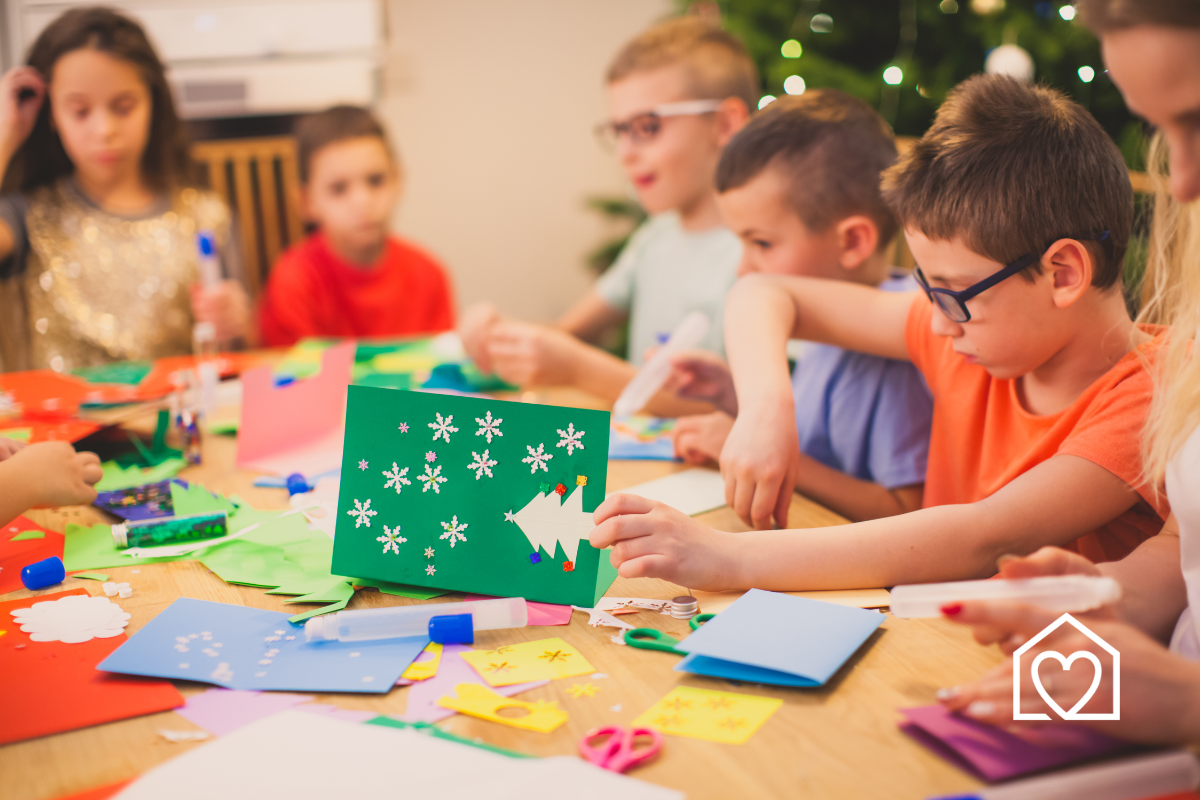
Many houseparents say the most memorable moments are the simplest ones: movie nights, shared meals, game tournaments, or crafting afternoons. For kids who haven’t always experienced holiday stability, these cozy, everyday joys can be especially meaningful.
The goal isn’t to recreate every tradition a child has ever known—it’s to create a warm, predictable environment where new memories can take root.
Above all, houseparents show kids that they aren’t alone. Whether a student is celebrating with enthusiasm or navigating more complicated feelings, the presence of a caring adult makes all the difference.
By offering structure, understanding, and small rituals of joy, houseparents help students experience the holidays in a way that feels safe, supported, and truly special.


.png)


